
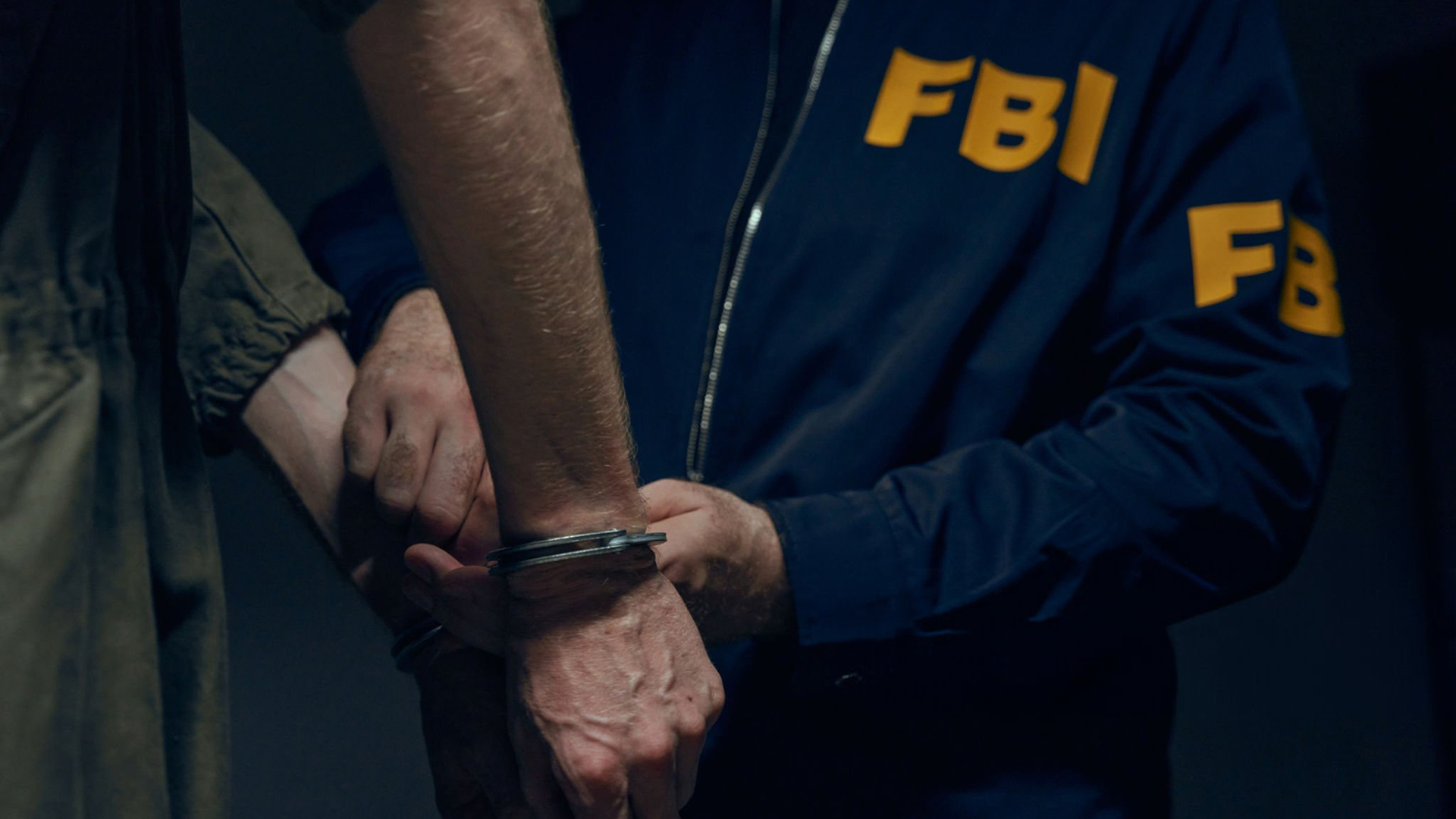
Facing a federal investigation or indictment is fundamentally different from a state-level matter. Federal agencies such as the FBI, DEA, ATF, IRS, and Homeland Security Investigations operate with substantial investigative budgets, advanced technology, and the ability to pursue cases over months or years before charges are filed. Once a case reaches the U.S. Attorney’s Office and the U.S. District Court, the rules, discovery obligations, and sentencing framework (including the U.S. Sentencing Guidelines and mandatory minimums) create a more formal and resource-intensive process.
Choosing counsel is one of the most consequential decisions you will make. A lawyer’s individual skill matters, but so do the resources available to support that skill.
Here is a practical framework for evaluating whether a lawyer and firm have the capacity to handle a complex federal case effectively.
What Makes Federal Cases Resource-Intensive
Federal prosecutions frequently involve large volumes of electronic discovery, including emails, text messages, financial records, surveillance, and wiretap materials. Cases often rest on cooperating witnesses, forensic analysis, or multi-agency coordination. The government typically has dedicated analysts, agents, and specialists. A defense that cannot match or counter that preparation is at a structural disadvantage, regardless of the lawyer’s general experience.
Key differences include stricter procedural rules, limited judicial discretion at sentencing in many cases, and the need to identify early issues such as Fourth Amendment violations, Brady/Giglio material, or flaws in how evidence was obtained. These issues are difficult to develop without time, investigative support, and familiarity with federal practice.
Core Factors to Evaluate
Specific federal experience.
Ask whether the lawyer regularly appears in U.S. District Court and has handled cases involving the same types of charges or investigative techniques you are facing. General criminal defense experience, even substantial experience in state court, does not automatically translate to federal practice. Federal judges, prosecutors, and procedures differ.
At Suzuki Law Offices, founding attorney RJ Suzuki previously served as an Assistant United States Attorney for the District of Arizona, where he prosecuted federal cases in both Phoenix and Tucson. He has also represented clients in federal courts across multiple districts, including Arizona, California, Utah, Florida, Montana, North Dakota, and others. This is not occasional federal work; it is a core part of our practice.
Insider understanding of how cases are built.
Experience working inside the system, particularly as a former Assistant United States Attorney, provides direct insight into charging decisions, investigative priorities, and how prosecutors evaluate strength of evidence and cooperation. This perspective helps anticipate the government’s next steps and identify leverage points that may not be obvious from the outside.
RJ Suzuki’s time as an AUSA means he has drafted federal charges, presented evidence to grand juries and federal judges, and negotiated with defense counsel from the prosecution side. Combined with his earlier work as a Deputy Maricopa County Attorney in the Major Crimes Gang and Repeat Offender Program Bureau, that background gives our team a practical sense of how both state and federal cases are assembled and where the government’s theory is most vulnerable.
Investigative capacity.
Complex cases require independent investigation. Look for a firm that works with former law enforcement investigators who understand how agents document searches, interviews, and digital evidence. The ability to re-examine the same materials the government relies on, or to develop additional facts, is essential for motions to suppress, challenging witness credibility, and preparing for trial or negotiation.
Our team includes former law enforcement investigators who assist with reviewing agent reports, search procedures, digital evidence, and timelines. Because they understand how federal agencies typically document their work, they can help surface issues with affidavits, chain of custody, or informant handling more efficiently than pure document review alone.
Access to specialized experts and support.
Depending on the case, effective defense may require digital forensic analysts, financial experts, sentencing consultants, or other specialists. Confirm that the firm has established relationships and the practical ability to engage them without delay.
When a case turns on electronic evidence, financial records, or Guideline calculations, we engage the appropriate specialists and integrate their findings into our review of the government’s proof and our strategy for motions or negotiations.
Team structure and bandwidth.
A single lawyer, no matter how capable, can be stretched thin by the volume of materials and deadlines in a federal case. Firms with multiple attorneys, investigators, and support staff can divide labor, review discovery more thoroughly, and remain responsive. Ask about current caseload and how communication will work.
We staff federal matters with attorneys and support staff who can divide the review of discovery, investigative work, and client communication so the case does not rest on one person. We also remain available 24/7, including weekends, because federal timelines do not pause for regular business hours.
Trial readiness and negotiation leverage.
Many federal cases resolve by plea agreement, but the quality of that agreement often depends on the government’s assessment of trial risk. Lawyers who regularly prepare cases for trial, and who have a track record of doing so in federal court, tend to negotiate from a stronger position.
Because RJ has both prosecuted and defended federal cases, and because we routinely prepare cases for the possibility of trial, we can evaluate early whether a case is more likely to turn on a legal issue (such as suppression or the scope of a conspiracy), a factual dispute that needs further investigation, or a sentencing question under the Guidelines. That assessment shapes how we approach negotiation.
Availability and local knowledge.
Federal matters move on strict timelines. 24/7 availability and familiarity with the practices of the local U.S. Attorney’s Office and District Court judges can affect early decisions on detention, discovery disputes, and case posture.
We are available around the clock at 602-682-5270 and maintain offices in Phoenix, Tucson, and Goodyear. Our regular work in the District of Arizona gives us day-to-day familiarity with local practices, while our multi-district experience allows us to handle matters that extend beyond Arizona when needed.
How We Approach Complex Federal Cases at Suzuki Law Offices
Our founding attorney, RJ Suzuki, served as an Assistant United States Attorney for the District of Arizona, prosecuting federal cases in both Phoenix and Tucson. Before that, he worked as a Deputy Maricopa County Attorney in the Major Crimes Gang and Repeat Offender Program Bureau. That dual experience means he has drafted federal charges, presented them to grand juries and federal judges, and negotiated across the table from the defense. When we review a new case, we are looking at it with the same lens prosecutors use when they decide what to charge and how aggressively to pursue it.
We have represented clients in federal courts across multiple districts, including Arizona, California, Utah, Florida, Montana, North Dakota, and others. Our team also includes former law enforcement investigators who know how federal agencies typically document their work and where gaps in that documentation tend to appear. That combination lets us move quickly on issues such as the sufficiency of search warrant affidavits, the reliability of cooperating witnesses, the handling of electronic evidence, and the actual strength of the government’s proof on each element.
We regularly defend clients in matters involving:
- Drug trafficking and conspiracy allegations
- Wire and mail fraud
- Money laundering
- Firearms offenses
- White-collar investigations
- And other federal charges.
Because RJ has worked both sides, we can usually identify early whether a case is likely to turn on a legal issue (suppression, venue, or the scope of a conspiracy), a factual dispute that requires further investigation, or a sentencing-related question under the Guidelines. We structure the work accordingly rather than applying the same checklist to every case. We remain available 24/7, including weekends, and we offer free consultations so you can discuss the specifics of your situation and decide whether the fit is right before any commitment.
Questions to Ask Any Prospective Federal Defense Lawyer
- How many federal cases of this type have you handled in the last few years, and what was the general outcome or posture?
- Have you worked as a federal prosecutor or alongside federal agents on similar investigations?
- What investigative resources does your firm have available for this case?
- How will you handle the volume of discovery, and who else will be working on the case?
- What is your approach to early intervention if the matter is still in the investigative stage?
- How do you communicate updates, and who will I primarily work with?
Taking the Next Step With Suzuki Law Offices
Evaluating resources is not about finding the largest firm; it is about confirming that the lawyer and team have the specific experience, investigative support, and capacity needed for the demands of your case. At Suzuki Law Offices, we understand that federal investigations and charges carry serious potential consequences for liberty, assets, and future opportunities. The earlier our qualified counsel becomes involved, the more options are typically available.
If you are under federal investigation or have been charged, contact Suzuki Law Offices for a free, confidential consultation. We are available 24/7 at 602-682-5270.